

Multi-day treks in Morocco offer an unforgettable opportunity to explore dramatic mountain landscapes, discover traditional Amazigh villages, and experience the country’s natural beauty at a slower pace. From challenging summit climbs to peaceful walks through remote valleys, Morocco provides trekking adventures for travelers seeking outdoor excitement, cultural discovery, and a deeper connection with nature.
The Atlas Mountains are among the country’s most popular trekking destinations, featuring rugged peaks, green valleys, terraced fields, and traditional settlements. Spending several days on the trails allows visitors to explore areas that are difficult to appreciate during a short excursion. With suitable preparation, experienced local guides, and a well-planned itinerary, a multi-day trekking holiday can become one of the most rewarding ways to discover Morocco.
Why Choose Multi-Day Treks in Morocco?
Unlike single-day hikes, multi-day treks allow travelers to explore several landscapes and communities during one journey. Each day can bring a different experience, from walking through mountain passes and orchards to visiting rural villages and enjoying panoramic views.
Morocco offers trekking options for different experience levels. Beginners can choose moderate valley routes with overnight stays in local guesthouses, while experienced hikers may prefer demanding high-altitude adventures in the High Atlas Mountains.
Multi-day trekking also provides more opportunities to experience local hospitality. Travelers can enjoy traditional Moroccan meals, learn about Amazigh culture, and spend nights in mountain accommodation surrounded by peaceful landscapes.
Mount Toubkal: A Challenging Mountain Adventure
Mount Toubkal is one of Morocco’s most famous trekking destinations and the highest peak in North Africa, rising to approximately 4,167 metres. Its summit attracts hikers who want to challenge themselves while enjoying spectacular views across the High Atlas Mountains.
Many itineraries begin in Imlil, a mountain village that serves as a starting point for the ascent. Trekkers typically follow mountain trails toward a refuge before continuing to the summit, with the overall duration depending on the itinerary, weather, and acclimatization requirements.
A two- or three-day trek is a common option for visitors planning to climb Toubkal. Although the standard summer route does not normally require technical climbing, the steep terrain and altitude demand suitable fitness and preparation. Winter conditions can require crampons, an ice axe, and appropriate mountaineering skills.
For travelers who want a memorable mountain achievement, Toubkal provides an exciting combination of physical challenge and impressive scenery.
Explore the Beautiful Azzaden Valley
The Azzaden Valley is an appealing choice for trekkers who want to combine mountain scenery with traditional village experiences. Located in the High Atlas region, it features terraced farmland, walnut groves, mountain streams, and settlements surrounded by dramatic hillsides.
A multi-day trek through the valley can include village walks, scenic mountain paths, and overnight stays in local guesthouses or trekking lodges. Compared with a summit-focused expedition, this type of itinerary can provide a more relaxed opportunity to appreciate rural life and the surrounding landscapes.
The route can often be adapted to different fitness levels, although some sections involve steep climbs and uneven terrain. Travelers should discuss daily distances and elevation changes with their guide before choosing an itinerary.
Discover the Aït Bouguemez Valley
The Aït Bouguemez Valley, often called the Happy Valley, is an excellent destination for travelers seeking a quieter trekking experience. Located in the Central High Atlas, it is known for its cultivated fields, traditional villages, and beautiful mountain surroundings.
Multi-day walks through the valley allow visitors to explore rural settlements, observe traditional agricultural practices, and enjoy wide-open landscapes away from busier trekking routes. Depending on the itinerary, excursions may include nearby viewpoints, cultural landmarks, and overnight stays in village accommodation.
This destination is particularly attractive to photographers, nature lovers, and travelers interested in cultural immersion rather than a demanding summit climb.
Experience Traditional Amazigh Village Life
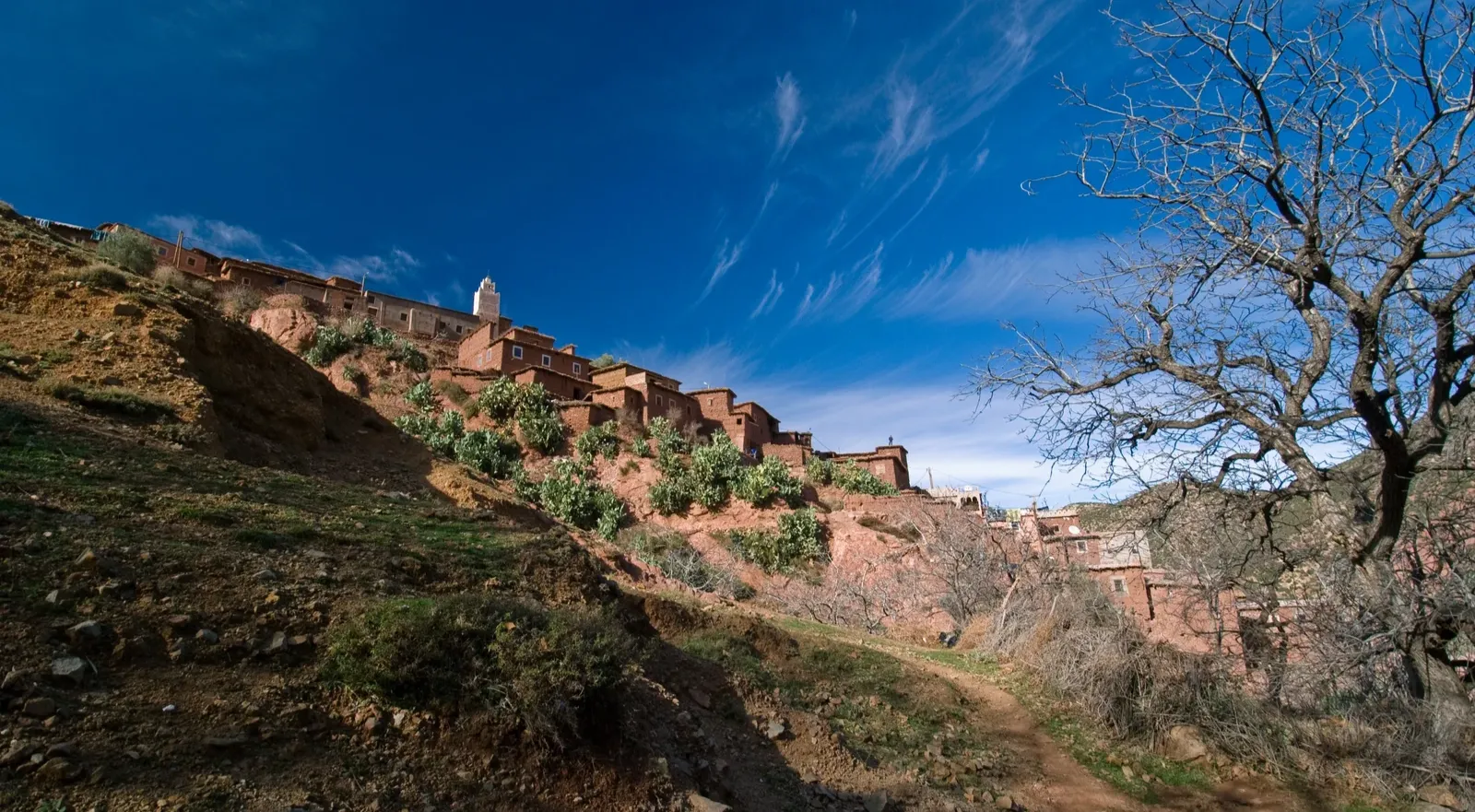
One of the most rewarding aspects of multi-day treks in Morocco is the opportunity to experience the culture of Amazigh communities. Many trekking routes pass through villages where traditional architecture, farming, and community life remain important parts of the local identity.
Travelers may encounter stone houses, terraced fields, traditional irrigation channels, and small local markets. Overnight stays in village guesthouses can provide opportunities to enjoy homemade meals and learn about regional customs.
Choosing locally operated guides and accommodation can also help support mountain communities. Visitors should respect local traditions, ask permission before taking photographs, and follow their hosts’ guidance when entering homes or private spaces.
Trek Through Morocco’s Diverse Landscapes
Although the High Atlas Mountains are the best-known trekking region, Morocco offers other landscapes worth exploring over several days.
The Rif Mountains in northern Morocco feature forested slopes, streams, and scenic routes near destinations such as Talassemtane National Park. The Middle Atlas offers cedar forests, lakes, and varied natural scenery. In southern Morocco, some itineraries explore the Dades Gorge and the Valley of Roses, combining canyon landscapes with traditional villages and cultivated areas.
Each region offers a different trekking experience. The best choice depends on whether you prefer high mountains, forest trails, cultural walks, or routes through dramatic valleys.
The Best Time for Multi-Day Trekking in Morocco
Spring and autumn are popular seasons for many mountain trekking routes because daytime temperatures are often more comfortable for walking. Spring can bring greener valleys and flowering vegetation, while autumn offers attractive conditions for exploring lower and middle elevations.
Summer is suitable for many established High Atlas routes, but temperatures can become hot at lower elevations. Early starts, sufficient drinking water, and sun protection are important.
Winter trekking requires additional care, particularly on high mountain routes where snow, ice, and freezing temperatures may occur. Some itineraries may require specialist equipment and mountaineering experience. Check current weather forecasts and trail conditions before departure. <Cite refs={[“turn968269search0″,”turn968269search1”]}/>
Prepare for a Successful Trekking Holiday
Good preparation helps ensure that a multi-day trek is comfortable and enjoyable. Choose a route that matches your fitness level, experience, and available time. If you are new to mountain hiking, begin with a moderate itinerary rather than a demanding summit expedition.
Essential equipment includes sturdy hiking boots, layered clothing, a waterproof jacket, sun protection, a comfortable backpack, drinking water, snacks, and basic first-aid supplies. For overnight trips, confirm whether accommodation, meals, luggage transport, and sleeping equipment are included.
An experienced local guide can assist with route planning, navigation, and understanding regional conditions. Before booking, ask about daily walking hours, elevation gain, accommodation standards, group size, and emergency arrangements.
When trekking at high elevations, allow enough time for acclimatization and take symptoms of altitude-related illness seriously. Stop ascending and seek appropriate assistance if concerning symptoms develop.
Travel Responsibly and Protect the Environment
Responsible trekking helps preserve Morocco’s natural landscapes and supports the communities that welcome visitors. Travelers should avoid leaving rubbish, stay on appropriate trails, and respect farmland, livestock, and local water resources.
Supporting local guides, guesthouses, muleteers, and artisans can help ensure that tourism benefits the people who live in mountain regions. Visitors should also be mindful of cultural differences and approach village encounters with respect.
By making responsible choices, trekkers can enjoy Morocco’s mountains while helping protect the environment and cultural heritage for future generations.
Conclusion
Multi-day treks in Morocco offer an exceptional way to discover the country’s mountains, valleys, and traditional communities. Whether climbing Mount Toubkal, exploring the Azzaden Valley, or walking through the peaceful landscapes of Aït Bouguemez, travelers can choose an adventure that matches their interests and abilities.
Spending several days on the trails creates opportunities to enjoy changing scenery, connect with local culture, and experience the hospitality of mountain communities. With careful planning, suitable equipment, and knowledgeable local guidance, a trekking holiday in Morocco can provide lasting memories and a deeper appreciation of the country’s natural beauty.
Frequently Asked Questions (FAQs)
1. How many days are needed for a multi-day trek in Morocco?
The duration depends on the route and your experience. A Mount Toubkal ascent commonly takes two or three days, while valley treks and longer mountain traverses may take three to seven days or more.
2. What are the best destinations for multi-day trekking in Morocco?
The High Atlas Mountains, Mount Toubkal, the Azzaden Valley, and the Aït Bouguemez Valley are popular choices. The Rif Mountains and southern valleys also offer rewarding alternatives.
3. Are multi-day treks in Morocco suitable for beginners?
Yes. Beginners can choose moderate valley routes with manageable walking distances and overnight stays in guesthouses. High-altitude climbs require greater fitness and preparation.
4. Do I need a guide for a multi-day trek in Morocco?
A qualified local guide is strongly recommended for unfamiliar mountain routes, longer expeditions, and challenging ascents. Check current guiding requirements for your chosen route before travelling.
5. What should I pack for a multi-day trekking holiday?
Pack sturdy hiking boots, layered clothing, a waterproof jacket, sun protection, drinking water, snacks, a first-aid kit, and a suitable backpack. Additional equipment may be necessary for high-altitude or winter trekking.
6. When is the best time for multi-day trekking in Morocco?
Spring and autumn are popular for many routes, while summer can be suitable for higher mountain areas. Winter conditions may make some trails difficult or require specialist equipment and experience.
7. Can I experience Moroccan culture during a trekking trip?
Yes. Many routes pass through Amazigh villages where visitors can discover traditional architecture, regional cuisine, farming practices, and local hospitality. Staying in community-run guesthouses can make the experience more meaningful.