

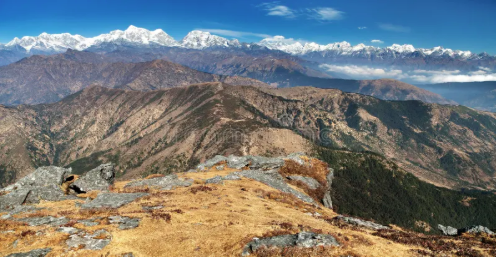
Nestled in the lower Everest region of Nepal, the Pikey Peak Trek has emerged as one of the most rewarding yet relatively undiscovered trekking routes in the Himalayas. Standing at 4,065 meters (13,335 feet), Pikey Peak offers trekkers an extraordinary panoramic view of the world’s highest mountains, including Mount Everest, Makalu, Kanchenjunga, and dozens of other snow-capped giants. This trek provides an authentic cultural experience through traditional Sherpa villages while remaining accessible to trekkers of moderate fitness levels.
The Allure of Pikey Peak
Sir Edmund Hillary, the first person to summit Mount Everest, famously claimed that Pikey Peak offered the finest view of Everest among all the vantage points in Nepal. This endorsement alone speaks volumes about the trek’s visual rewards. Unlike the more crowded trails to Everest Base Camp or Annapurna Circuit, Pikey Peak remains refreshingly quiet, allowing trekkers to immerse themselves in the natural beauty and cultural richness of the Solu region without the constant flow of tourist traffic.
The trek’s relatively low altitude compared to other Himalayan routes makes it an excellent choice for those with limited time or concerns about altitude sickness. Yet it delivers spectacular mountain views that rival those found on much longer and more strenuous expeditions. The combination of accessibility, cultural authenticity, and breathtaking scenery has positioned Pikey Peak as an ideal introduction to Himalayan trekking or a perfect short trek for experienced hikers with limited schedules.
Cultural Immersion in Sherpa Heartland
The Pikey Peak Trek traverses the ancestral homeland of the Sherpa people, offering unparalleled opportunities for cultural exchange. The route passes through numerous traditional villages where the rhythms of life have remained largely unchanged for generations. Trekkers encounter centuries-old monasteries adorned with prayer flags, stone chortens marking sacred spaces, and mani walls inscribed with Buddhist mantras.
Villages like Junbesi, Thupten Choling, and Phaplu provide windows into authentic Sherpa culture. Local teahouses offer warm hospitality where trekkers can share meals with families, learning about their customs, agricultural practices, and spiritual beliefs. The region’s strong Buddhist heritage is evident everywhere, from the spinning prayer wheels to the elaborate monastery complexes that serve as community focal points.
Unlike more commercialized trekking routes, the Pikey Peak region retains its traditional character. Villagers primarily make their living through agriculture and yak herding rather than tourism, which means interactions feel genuine rather than transactional. This authenticity creates memorable connections that often become the most treasured aspect of the journey for many trekkers.
The Trekking Experience
The typical Pikey Peak Trek spans seven to eight days, though variations exist depending on the starting point and pace. Most itineraries begin with a scenic drive from Kathmandu to either Dhap or Phaplu, both of which serve as traditional trailheads. The route generally ascends gradually through terraced farmlands, rhododendron forests, and alpine meadows before reaching the summit of Pikey Peak.
The trail meanders through diverse ecosystems, each with its own character and wildlife. Lower elevations feature lush forests of oak, pine, and rhododendron that burst into spectacular color during spring blooming season. As elevation increases, the vegetation transitions to alpine shrubs and eventually to the sparse grasses found near the summit. Bird enthusiasts will appreciate the variety of Himalayan species, including colorful pheasants, eagles, and the occasional glimpse of a Himalayan monal.
Daily trekking distances are manageable, typically ranging from four to six hours of walking. The well-maintained trails follow ancient trade routes that connected the Solu region with Tibet, and the path is generally clear and easy to follow. Teahouses located at strategic intervals provide comfortable accommodation and hearty meals, eliminating the need for camping equipment.
The Summit Experience
Reaching Pikey Peak’s summit represents the trek’s emotional and visual climax. Most trekkers begin their final ascent in the pre-dawn darkness, timing their arrival to witness sunrise over the Himalayas. As the first light touches the mountain peaks, they ignite in shades of gold, orange, and pink against the deep blue sky. The transformation is both dramatic and ethereal, creating a moment that remains etched in memory long after the trek concludes.
From the summit, the panorama extends across an astonishing 360-degree vista. To the east, Makalu and Kanchenjunga dominate the horizon. To the north, the entire Everest massif reveals itself, with Lhotse, Nuptse, and Ama Dablam clearly visible. The western view encompasses Numbur, Gaurishankar, and countless other peaks that form a seemingly endless white wall stretching across the sky.
The summit area features prayer flags strung between wooden poles, their colorful fabric snapping in the wind and carrying prayers across the mountains according to Buddhist tradition. Trekkers often add their own prayer flags, contributing to the sacred atmosphere that permeates this special place.
Best Seasons for Trekking
The Pikey Peak Trek is feasible throughout much of the year, though certain seasons offer distinct advantages. Spring (March to May) brings mild temperatures and the spectacular blooming of rhododendron forests that carpet the hillsides in red, pink, and white. The weather remains generally stable, and visibility tends to be excellent, providing clear mountain views.
Autumn (September to November) is considered the optimal trekking season. The monsoon rains have cleared the atmosphere, creating crystal-clear visibility that can extend for hundreds of kilometers. Temperatures are comfortable for walking, and the post-monsoon landscape appears fresh and vibrant. These months also coincide with major festivals, offering opportunities to witness traditional celebrations.
Winter trekking (December to February) is possible but requires preparation for cold temperatures, particularly at higher elevations. However, winter offers its own rewards: fewer trekkers on the trail, stark beauty in the landscape, and exceptional visibility. The teahouses remain open year-round, ensuring accommodation is available.
Summer monsoon season (June to August) presents challenges due to frequent rainfall, muddy trails, and obscured mountain views. Most trekkers avoid this period, though the landscape becomes lush and green, and wildflowers proliferate across the meadows.
Practical Considerations
The Pikey Peak Trek requires moderate physical fitness but no technical climbing skills. Previous trekking experience is beneficial but not essential. The gradual altitude gain helps with acclimatization, reducing the risk of altitude sickness compared to rapid-ascent treks.
Necessary permits include the Sagarmatha National Park Entry Permit and a TIMS (Trekkers’ Information Management System) card. These can be obtained in Kathmandu or through trekking agencies. Hiring a guide, while not mandatory, enhances the experience through local knowledge, cultural insights, and navigation assistance. Supporting local guides and porters also contributes directly to the mountain communities’ economies.
Standard trekking gear suffices for the Pikey Peak Trek: sturdy hiking boots, layered clothing for varying temperatures, a warm sleeping bag for higher elevations, and essential items like water purification tablets, first aid supplies, and sun protection. Most gear can be purchased or rented in Kathmandu if needed.
Conclusion
The Pikey Peak Trek represents a perfect synthesis of natural beauty, cultural authenticity, and accessibility. It offers the grandeur of Himalayan vistas without the extreme altitude and lengthy commitment required by many Nepal kori treks. The relatively undeveloped nature of the route means trekkers experience genuine Sherpa hospitality and traditional village life that has been lost on more commercialized trails.
For those seeking an introduction to Himalayan trekking, Pikey Peak provides an ideal starting point. For experienced trekkers with limited time, it delivers maximum reward with minimal investment. The combination of Sir Edmund Hillary’s highest praise, spectacular sunrise views over the world’s tallest peaks, and meaningful cultural encounters makes this trek an exceptional choice.
As tourism gradually discovers this hidden gem, the Pikey Peak Trek maintains its authentic character, welcoming visitors who approach with respect for the land and its people. Whether you’re drawn by the promise of incomparable mountain views, the appeal of Sherpa culture, or the joy of walking ancient trails through pristine landscapes, Pikey Peak delivers an unforgettable Himalayan experience that will call you back to Nepal’s mountains time and again.