

Some trips ask you to choose: do you want an active holiday, a nature escape, or a night under the northern lights? In the Yukon, you do not have to pick. A Hiking, Wildlife Viewing and Aurora Viewing Program Yukon (4 days) lets you spend your days on quiet trails, watching for moose, eagles, and mountain sheep, and your nights with your head tilted back, waiting for the sky to glow.
This guide explains what a four-day program usually includes, when to go, how the days can unfold, and how to prepare so you enjoy every hour.
Why Combine Hiking, Wildlife and Aurora?
These three activities complement each other beautifully. Hiking gets you into the landscape, wildlife viewing teaches you to slow down and notice, and aurora watching rewards patience after dark. Together they create a rhythm: active mornings, calm afternoons, and magical evenings.
The Yukon is also a natural fit. It has wide-open wilderness, relatively few people, and clear northern skies. Whitehorse, the capital, serves as an easy base with an airport, hotels, and quick access to trailheads and dark-sky viewing spots.
What a Four-Day Program Usually Includes
Program details vary from one operator to another, but most Hiking, Wildlife Viewing and Aurora Viewing Program Yukon (4 days) trips offer a mix like this:
-
Guided hikes of varying difficulty, from easy riverside walks to moderate ridge trails
-
Wildlife viewing sessions with guides who know where animals tend to appear
-
Two or three evenings of aurora viewing, often with a heated shelter or cabin
-
Accommodation in a hotel or lodge, usually in or near Whitehorse
-
Transfers and local transport to trailheads and viewing sites
-
Some meals and snacks, depending on the package
Because the program is short, a well-planned schedule matters. Good operators arrange days so you are rested for late-night sky watching without feeling rushed.
A Sample Four-Day Itinerary
Here is a typical outline. Treat it as an example, since real programs vary by season and operator.
Day 1: Arrive in Whitehorse and take an easy first walk. After checking in, stretch your legs with a gentle stroll along the Yukon River or through Miles Canyon, where dark basalt cliffs frame clear blue-green water. Eat an early dinner and rest. Tonight’s goal is simply to settle in. In the late evening, you might head out for a first aurora session if the sky looks promising.
Day 2: Wildlife and a woodland hike. Start with a visit to a wildlife preserve or a guided nature outing, where you may see muskox, caribou, Dall sheep, or other northern species in natural-style habitat. Afterward, take a moderate hike through boreal forest. Watch for birds, tracks, and the soft light that makes every photo look better. Return for dinner and then join an evening aurora tour to a dark site outside the city.
Day 3: Mountains and open views. Drive toward higher country, perhaps toward the Carcross area or the lakes and mountains of the southern Yukon. Choose a ridge or lakeside trail that suits your group. Pause often. Binoculars are great for spotting eagles overhead or sheep on distant slopes. After dinner, you have a third chance to see the lights, ideally with hot drinks and a campfire or heated cabin.
Day 4: Slow morning and departure. Enjoy a relaxed breakfast, maybe a last short walk, and a stop at a local cafe or gallery for a keepsake. Depending on your flight, you may have a few hours to spare before heading home.
A good program keeps the schedule flexible. If clouds block the sky, guides can shuffle plans so you get the best aurora window.
The Best Time of Year
Because a Hiking, Wildlife Viewing and Aurora Viewing Program Yukon (4 days) combines hiking and aurora viewing, timing matters. You need enough darkness for the northern lights, and trails that are clear of deep snow.
Late August to September. This is the sweet spot. Nights are dark again, the weather is mild, and the aspens and tundra often glow gold and red. Mosquitoes fade, and wildlife is active as animals prepare for colder months.
Early October. Snow may arrive in the high country, and days get shorter. It can still work well, but trails may be icy, so ask your operator about conditions.
Spring (April). Some hiking is possible at lower elevations, and aurora is still active, though snow and mud can limit trails.
Peak summer is not suitable for the aurora, because nights are too bright. If you have flexible dates, travel around a new moon, since a bright moon can wash out fainter lights.
Wildlife You Might See
The Yukon is home to a wide range of animals. Depending on the season and location, you may spot:
-
Moose near wetlands and lakeshores
-
Bald eagles and other raptors along rivers
-
Dall sheep on rocky slopes
-
Caribou on the tundra and in higher country
-
Smaller creatures such as foxes, hares, and a long list of bird species
Bears also live here, so hike with a guide or in a group and follow instructions on food storage and noise. Never approach animals, and keep a respectful distance. A good guide will tell you honestly that sightings cannot be guaranteed, but they know the habits that improve your odds.
What to Expect From the Aurora
The aurora is natural and unpredictable. Clouds and solar activity decide the show, not the tour company. With three nights available, your chances improve, but patience is important.
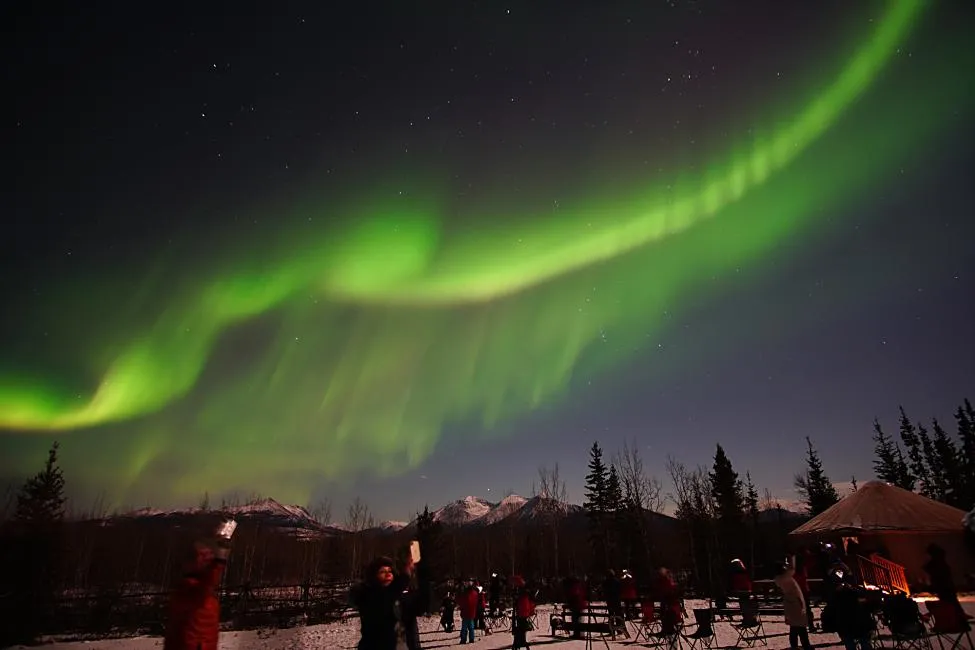
At first, the lights may appear as a faint gray or green arc. If activity strengthens, you may see curtains, spirals, or pulses of green with hints of pink or purple. Cameras often show more color than your eyes do, so do not be disappointed if reality looks softer than photos. Many people say the quiet, shared moment under the sky matters as much as the display itself.
What to Pack
You will need gear for daytime trails and chilly evenings.
-
Broken-in, waterproof hiking boots and good socks
-
Layers, including a base layer, a fleece, and a windproof jacket
-
A warm hat, gloves, and a neck gaiter for evenings
-
A comfortable daypack with water and snacks
-
Insect repellent for early-season trips
-
Binoculars and a camera with a spare battery
-
A tripod, if you want to photograph the aurora
-
A headlamp with a red-light mode so you preserve night vision
Nights in the Yukon can be cold even when days are mild, so pack warmer than you think you need.
How to Choose the Right Program
Before booking a Hiking, Wildlife Viewing and Aurora Viewing Program Yukon (4 days), compare a few important factors:
-
Group size. Smaller groups are easier for wildlife viewing and more personal on hikes.
-
Difficulty level. Look for clear details on distance, elevation, and pace.
-
Number of aurora nights. More nights mean better chances.
-
Guide experience. Local knowledge and wilderness safety training matter.
-
Weather flexibility. Ask how plans change if skies are cloudy.
-
Inclusions. Check meals, transport, and gear.
Frequently Asked Questions
Is four days enough?
It is a good length for a first visit. You will experience trails, wildlife, and multiple aurora chances without a long commitment.
Do I need to be an experienced hiker?
No. Many programs offer easy to moderate trails and adjust the pace to the group.
Will I definitely see animals and the northern lights?
No one can promise either. Good planning raises your odds, but nature makes the final decision.
Is it suitable for photographers?
Yes. Hiking trails, wildlife, and night skies all offer wonderful photo opportunities.
Final Thoughts
A Hiking, Wildlife Viewing and Aurora Viewing Program Yukon (4 days) is a well-rounded introduction to the north. You move through wild landscapes by day, learn to watch for life in quiet places, and end your evenings under a sky that may suddenly come alive. Pack thoughtfully, stay flexible, and give yourself time to simply stand and look. That is often when the Yukon leaves its deepest impression.