

In the shadow of one of the Andes’ most formidable peaks lies a trekking route that has captured the imagination of adventurers worldwide. The Salkantay Trek to Machu Picchu offers an unfiltered immersion into the Peruvian highlands, where glaciated summits give way to emerald cloud forests, and the journey itself becomes as transformative as the destination. Named after Apu Salkantay the revered mountain deity that dominates the skyline at 6,271 meters this trek challenges the body, feeds the soul, and rewards those willing to venture beyond well-trodden paths with some of South America’s most breathtaking wilderness scenery.
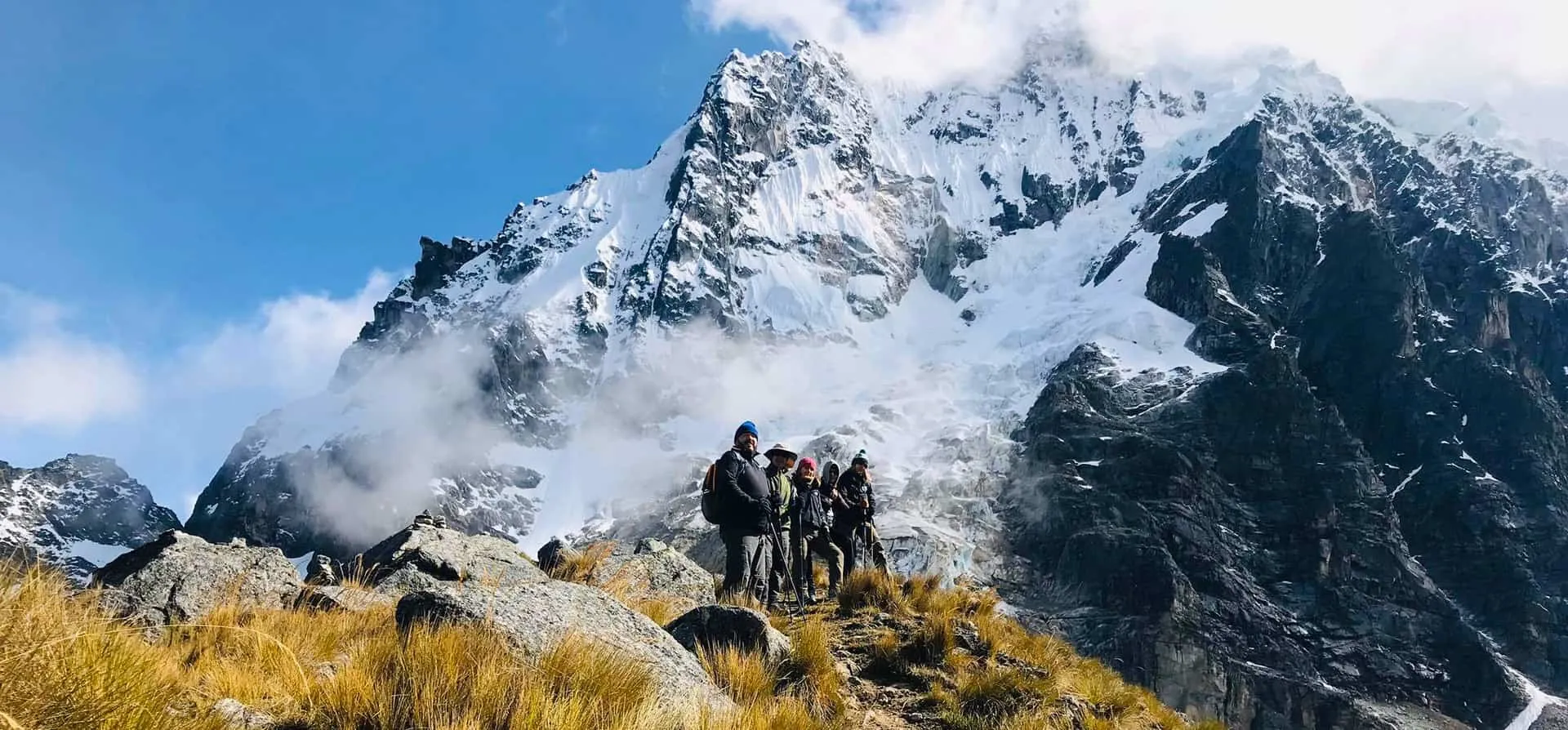
The Sacred Mountain and Its Significance
Salkantay holds profound spiritual importance within Andean cosmology. The Incas worshipped it as one of the most powerful Apus (mountain spirits) in their pantheon, believing the peak controlled weather patterns and protected the Cusco region. Local Quechua communities continue honoring Salkantay through traditional ceremonies and offerings, recognizing the mountain as a living entity deserving respect and reverence.
The name “Salkantay” derives from Quechua words meaning “savage” or “wild mountain,” an apt description for this imposing massif whose ice-draped faces and unpredictable weather have claimed numerous mountaineering expeditions. Trekkers don’t climb Salkantay itself but rather traverse its flanks and pass beneath its southwestern face, witnessing the mountain’s raw power from a humbling proximity that inspires awe in even the most jaded travelers.
Route Options and Variations
While the classic five-day Salkantay Trek represents the most popular itinerary, several variations cater to different schedules, budgets, and preferences. Understanding these options helps travelers select the trek that best matches their goals and capabilities.
The standard five-day trek balances challenge with comprehensive scenery, allowing gradual acclimatization while covering all major highlights. This version provides time to appreciate environments rather than rushing through them, includes rest stops at significant viewpoints, and culminates with a full morning exploring Machu Picchu.
For those with limited time, four-day condensed versions compress the same route by combining sections or using transportation for portions other itineraries hike. While covering the essential highlights, these abbreviated treks demand longer daily hiking hours and provide less recovery time, making them suitable only for fit individuals with prior high-altitude experience.
Luxury-focused travelers can choose premium Salkantay treks featuring upgraded accommodations. Rather than camping throughout, these packages incorporate mountain lodges or glamping setups with actual beds, hot showers, and gourmet meals. While significantly more expensive ($1,500-2,500 USD versus $300-500 for standard camping treks), luxury options appeal to those who want wilderness immersion without sacrificing comfort.
Adventure seekers sometimes combine Salkantay with other activities, creating hybrid itineraries that might include ziplining, mountain biking sections, rafting portions of the Urubamba River, or visiting coffee plantations for immersive agrotourism experiences. These variations add diversity beyond pure hiking while maintaining the core Salkantay experience.
Day-by-Day Breakdown: What to Expect
Understanding the trek’s daily progression helps mentally prepare for challenges and highlights. Each day presents distinct characters, landscapes, and demands.
Day One eases trekkers into the adventure. After departing Cusco around 5:00 AM, the journey reaches Mollepata or Challacancha for breakfast before hiking begins. The trail ascends gradually through valleys where local farmers cultivate crops and herd livestock. Soraypampa, the first night’s camp at 3,900 meters, sits in a high-altitude meadow with stunning Salkantay and Humantay views. Many itineraries include an afternoon acclimatization hike to Humantay Lake (4,200m), a spectacular turquoise glacial lagoon that provides excellent photography opportunities and helps bodies adjust to altitude. Total hiking: 12-15 kilometers.
Day Two tests determination and delivers the trek’s most dramatic scenery. The pre-dawn wake-up leads to a 3-4 hour ascent to Salkantay Pass (4,650m/15,256ft), the trek’s highest and most challenging point. The thin air makes breathing labored, legs feel heavy, and frequent rest stops become necessary. However, reaching the pass brings profound achievement and potentially the journey’s most spectacular views: Salkantay’s massive glaciated face looming nearby, the Vilcanota range stretching endlessly, and on exceptionally clear days, even distant Ausangate visible. After photos and rest, the long descent begins over 1,200 vertical meters through progressively warming ecosystems to Huayracmachay or Colpapampa around 2,900 meters. The environmental transformation from frozen alpine to temperate forest feels like traveling through seasons in a single afternoon. Total hiking: 22 kilometers with significant elevation change.
Day Three continues descending through cloud forest bursting with biodiversity. The trail follows rushing rivers through valleys where orchids, ferns, and bromeliads create jungle-like density. Waterfalls cascade from moss-covered cliffs, butterflies dance through sunbeams penetrating the canopy, and the humid warmth feels luxurious after high-altitude cold. Many groups visit coffee plantations where local families demonstrate traditional cultivation and processing methods while trekkers sample fresh-roasted coffee. The landscape transitions to subtropical as elevation drops, with banana trees, avocado groves, and coca plantations appearing. Camp typically reaches La Playa, Lucmabamba, or similar locations around 2,000 meters. Total hiking: 16-18 kilometers, mostly downhill.
Day Four varies significantly between operators. Some itineraries continue hiking to Santa Teresa, passing through agricultural valleys and small communities before soaking in natural hot springs, a welcome luxury for tired muscles. Alternative routes use vehicle transport to cover distance more quickly, allowing trekkers to rest or explore optional activities like ziplining. Eventually, all routes reach Aguas Calientes (Machu Picchu town) via the hydroelectric station and railway tracks or by train from Ollantaytambo. This transitional day typically involves less strenuous activity, providing recovery before the Machu Picchu visit.
Day Five culminates the adventure with Machu Picchu. Most groups depart their Aguas Calientes hotels around 4:00-4:30 AM to catch early buses (or hike 1-1.5 hours up) to the citadel entrance, arriving as gates open at 6:00 AM. Experiencing Machu Picchu in early morning light with fewer crowds transforms the visit from tourism into pilgrimage. Comprehensive guided tours last 2-3 hours, explaining the site’s history, architecture, and theories about its purpose. Free time afterward allows independent exploration before returning to Cusco by train and bus.
The People Who Make It Possible
Behind every Salkantay Trek stands a team of porters, muleteers, cooks, and guides whose hard work enables the experience. Understanding their contributions and ensuring they’re treated ethically represents a crucial responsibility for conscientious trekkers.
Porters or pack animals carry camping equipment, food supplies, and group gear, with loads that can reach 20-25 kilograms. Reputable companies follow guidelines established by organizations like the Porters’ Association, ensuring workers receive fair wages (minimum 150-200 soles daily), appropriate equipment including proper footwear and jackets, and loads not exceeding safe limits.
Camp cooks perform culinary miracles under challenging conditions, preparing multi-course meals at altitude with limited facilities. Quality operators employ skilled chefs who create surprisingly sophisticated dishes: fresh trout, vegetable stir-fries, pasta dishes, soups, and desserts rather than merely reheating packaged food.
Guides serve multiple functions: route navigation, pacing management, cultural interpretation, safety monitoring, and medical first response. The best guides possess official certification, speak multiple languages fluently, demonstrate deep knowledge of local ecology and history, and exhibit genuine passion for sharing the Salkantay experience.
Tipping represents expected appreciation for good service. Standard recommendations suggest 150-200 soles total for porters collectively, 200-250 soles for cooks, and 250-300 soles for guides on five-day treks, though exceptional service warrants more generous gratuities.
Gear Essentials and Packing Strategy
Proper equipment makes the difference between miserable suffering and an enjoyable challenge. The extreme environmental range from sub-freezing high passes to humid jungle demands versatile gear and intelligent layering.
Clothing layers must address temperature extremes. Base layers (thermal tops and bottoms) manage moisture and provide warmth. Mid-layers (fleece or down jacket) add insulation for cold sections. Outer shells (waterproof jacket and pants) protect against rain, wind, and snow. Trekking pants should dry quickly, and having both long pants and convertible pants/shorts accommodates varying temperatures. Warm hat, sun hat, gloves, and buff or neck gaiter round out clothing needs.
Footwear deserves particular attention. Waterproof hiking boots with good ankle support and traction prevent injuries on uneven, potentially slippery terrain. Boots must be thoroughly broken in before the trek to prevent blisters. Gaiters help keep debris out and provide warmth. Camp shoes or sandals allow feet to breathe during evenings.
Sleeping gear requirements depend on the tour package. Most operators provide tents and sleeping mats, though quality varies. Bringing a personal sleeping bag rated to at least -10°C (14°F) ensures warmth at high camps, or rent quality bags from reputable Cusco outfitters if traveling without one.
Accessories include trekking poles (crucial for knee protection on steep descents), headlamp with extra batteries, water bottles or hydration system (2-3 liter capacity), water purification tablets as backup, sunglasses with UV protection, sunscreen SPF 50+, personal first aid kit, and quick-dry towel.
Health, Safety, and Altitude Management
The Salkantay Trek’s greatest risk factor isn’t terrain difficulty but altitude. At 4,650 meters, Salkantay Pass sits well into the zone where acute mountain sickness (AMS) becomes likely for unacclimatized individuals. Symptoms range from headaches and nausea to dangerous conditions like pulmonary or cerebral edema if ignored.
Prevention centers on proper acclimatization. Spending three to four days in Cusco before trekking allows initial adaptation. During these days, stay well hydrated (3-4 liters daily), avoid alcohol and heavy meals, engage in light activity rather than complete rest, and consider coca tea or acetazolamide (Diamox) after consulting a physician.
During the trek, ascending slowly (“pole pole” as high-altitude guides say), maintaining hydration, and eating adequately despite altitude-suppressed appetite all help prevent AMS. Recognizing symptoms early and communicating them to guides enables appropriate responses, whether descending to lower elevation, administering oxygen, or in severe cases, arranging evacuation.
Travel insurance covering high-altitude trekking and emergency helicopter evacuation is essential. Standard policies often exclude activities above 4,000 meters, requiring specific adventure travel coverage.
Conclusion
The Salkantay Trek stands as one of South America’s premier multi-day hiking adventures, offering far more than simply an alternative route to Machu Picchu. It provides passage through ecosystems ranging from stark alpine tundra to lush jungle, encounters with traditional Andean communities, and the satisfaction of reaching one of the world’s most iconic destinations through genuine physical and mental effort rather than passive tourism. The challenges altitude, distance, weather forge bonds between trekking companions and create memories of adversity overcome. For those seeking authentic wilderness adventure paired with cultural immersion, the Salkantay Trek delivers an experience that justifies every labored breath and aching muscle.
Frequently Asked Questions
Q: Is the Salkantay Trek harder than the Inca Trail? A: Yes, generally. Salkantay reaches higher elevation (4,650m vs. 4,215m on Inca Trail), involves more total elevation gain and loss, and covers longer daily distances. However, “harder” is subjective; the Inca Trail’s steep stone staircases challenge knees differently than Salkantay’s long descents. Both demand solid fitness and acclimatization.
Q: Do I need a guide or can I trek independently? A: While technically possible to trek independently, it’s strongly discouraged and impractical. Remote sections lack clear trails, campsites require arrangements with local communities, and having no support at extreme altitude poses safety risks. Organized tours provide logistics, safety, porter support, and meals at costs competitive with independent arrangements.
Q: What’s the best time of year for the Salkantay Trek? A: May through September (dry season) offers most reliable weather, clearest mountain views, and best trail conditions. July-August see peak crowds. April and October provide good conditions with fewer trekkers. November-March (wet season) brings rain and clouds but also solitude, lush landscapes, and lower prices for those accepting weather uncertainty.
Q: How fit do I need to be? A: Moderately to very fit. You should be able to hike 6-8 hours daily with breaks, carrying a light daypack, at altitude. Training should include cardio (running, cycling, stair climbing) and hiking with elevation gain 2-3 months before departure. Previous multi-day hiking experience helps but isn’t mandatory.
Q: Can I rent gear in Cusco? A: Yes. Cusco has numerous outfitters renting quality sleeping bags, trekking poles, down jackets, and other equipment. Rental costs are reasonable ($3-8 USD per item for 5 days). However, critical items like boots should be your own, broken-in footwear.
Q: What if I can’t make it over Salkantay Pass? A: Reputable operators have contingency plans. Horse rentals can carry struggling trekkers most of the way to the pass. Alternative lower-elevation routes exist, though they miss the trek’s highlight. In extreme cases, vehicles can extract trekkers from accessible points. Good operators prioritize safety over summit success.
Q: Is solo female travel on this trek safe? A: Yes, when booking with reputable operators. Groups typically include mixed genders and nationalities, creating social dynamics and safety in numbers. Solo female travelers successfully complete Salkantay regularly. Standard travel precautions apply: research operators thoroughly, stay with your group, and trust instincts if something feels off.
Q: What’s included in typical tour packages? A: Standard inclusions: round-trip transportation Cusco-trailhead-Cusco, professional guides, porters/pack animals, all meals during trekking days, camping equipment (tents, mats, dining tent), Machu Picchu entrance ticket, and train tickets. Exclusions typically include sleeping bags (available for rent), tips, personal gear, and meals in Aguas Calientes.