

Atlas Mountains hiking is one of the most unforgettable outdoor experiences in Morocco. Stretching across the country, the Atlas Mountains offer a diverse range of landscapes, from lush green valleys to rugged peaks and traditional Berber villages. Whether you are a beginner or an experienced trekker, hiking in the Atlas Mountains provides the perfect combination of adventure, culture, and natural beauty.
If you are planning a trip to Morocco, exploring the Atlas Mountains on foot should be at the top of your list.
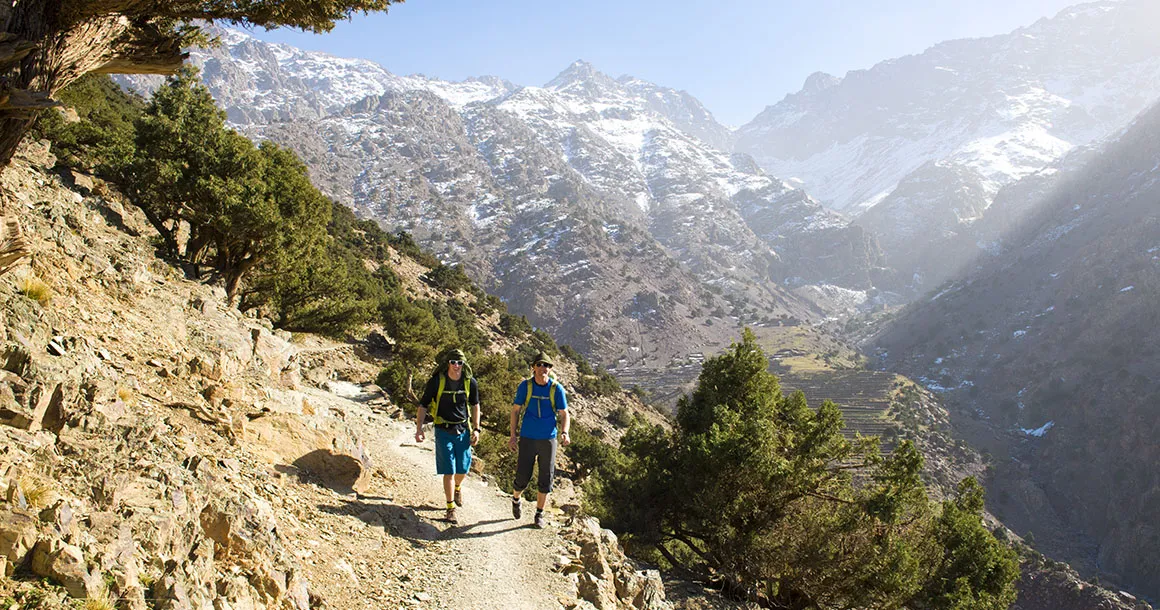
Why Choose Atlas Mountains Hiking?
The Atlas Mountains are known for their incredible diversity. Unlike many hiking destinations, the region offers a mix of terrains, climates, and cultural experiences. You can walk through fertile valleys filled with fruit trees, cross mountain passes with breathtaking views, and visit remote villages where life has remained unchanged for centuries.
Another reason to choose Atlas Mountains hiking is its accessibility. The mountains are located close to major cities like Marrakech, making it easy for travelers to start their adventure without long travel times.
Types of Hiking Experiences
Atlas Mountains hiking offers a wide variety of options depending on your fitness level and interests.
Day Hikes
If you have limited time, day hikes are a great option. These hikes usually start from villages like Imlil and take you through scenic trails, waterfalls, and nearby peaks. They are suitable for beginners and families.
Multi-Day Treks
For a deeper experience, multi-day treks allow you to explore the mountains more thoroughly. You can spend several days hiking through valleys, crossing high passes, and staying in traditional guesthouses or mountain refuges.
Summit Treks
For more experienced hikers, climbing peaks like Mount Toubkal is a popular choice. These treks are more challenging but offer rewarding views from the top.
Popular Hiking Routes
There are many famous routes for Atlas Mountains hiking, each offering unique scenery and experiences.
Imlil Valley
Imlil is the most popular starting point for hikers. The trails here are well-marked and offer stunning views of the surrounding mountains. You can explore nearby villages, rivers, and terraced fields.
Ourika Valley
Located near Marrakech, the Ourika Valley is known for its waterfalls and lush greenery. It is perfect for easy hikes and short trips.
Ait Bouguemez Valley
Often called the “Happy Valley,” this area is less crowded and offers a peaceful hiking experience. The valley is surrounded by high peaks and dotted with traditional villages.
Toubkal National Park
This is the most famous hiking area in the Atlas Mountains. It is home to Mount Toubkal and offers a range of trekking routes for different skill levels.
Best Time for Atlas Mountains Hiking
Choosing the right time is important for a comfortable hiking experience.
-
Spring (March to May): Ideal weather with blooming flowers and green landscapes
-
Autumn (September to November): Clear skies and moderate temperatures
-
Summer (June to August): Can be hot in lower areas, but cooler at higher altitudes
-
Winter (December to February): Snow-covered mountains, suitable for experienced hikers
Spring and autumn are generally considered the best seasons for Atlas Mountains hiking.
Difficulty Levels
Atlas Mountains hiking can range from easy walks to challenging treks. Beginners can enjoy short hikes in valleys and low-altitude areas, while experienced hikers can take on steep climbs and high-altitude routes.
The difficulty level depends on factors such as distance, elevation gain, and weather conditions. It is important to choose a hike that matches your fitness level.
What to Pack
Packing the right gear is essential for a safe and enjoyable hike.
-
Comfortable hiking shoes
-
Lightweight clothing for daytime
-
Warm layers for cold nights
-
Waterproof jacket
-
Backpack
-
Sunscreen and hat
-
Water and snacks
If you are planning a multi-day trek, you may also need a sleeping bag and trekking poles.
Cultural Experience
One of the highlights of Atlas Mountains hiking is the opportunity to experience Berber culture. The Berber people are known for their hospitality and strong connection to the land.
During your hike, you can visit traditional homes, enjoy local food, and learn about their customs and way of life. Staying in guesthouses or homestays adds a unique cultural element to your adventure.
Hiring a Guide
While some trails are easy to follow, hiring a local guide is highly recommended. A guide can help you navigate the terrain, ensure your safety, and provide valuable insights about the region.
Guides also support the local economy and enhance your overall experience by sharing stories and knowledge about the area.
Safety Tips
Safety should always be a priority when hiking in the Atlas Mountains.
-
Check weather conditions before starting
-
Start early to avoid hiking in the dark
-
Stay hydrated
-
Inform someone about your plans
-
Follow marked trails or go with a guide
Being prepared can make a big difference in your hiking experience.
Environmental Responsibility
When hiking in the Atlas Mountains, it is important to respect the environment. Avoid leaving trash, stick to designated paths, and be mindful of local communities.
Sustainable tourism helps preserve the natural beauty of the region for future generations.
Conclusion
Atlas Mountains hiking is a truly unique experience that combines adventure, nature, and culture. From scenic valleys and towering peaks to warm hospitality and rich traditions, the Atlas Mountains offer something for every traveler.
Whether you are looking for a short day hike or a challenging multi-day trek, this incredible destination will leave you with unforgettable memories. With proper planning and a sense of adventure, Atlas Mountains hiking can become one of the highlights of your journey to Morocco.