

Morocco is a country with a remarkable cultural history shaped by different communities, traditions, and religions. Among its most important historical influences is the Jewish heritage that has existed in the region for centuries. Today, Jewish tours in Morocco offer visitors an opportunity to explore historic synagogues, ancient cemeteries, traditional mellahs, and important cultural landmarks while discovering the connections between Jewish and Moroccan history.
From the narrow streets of Marrakech to the historic neighborhoods of Fes and the coastal atmosphere of Essaouira, Morocco offers many meaningful destinations for travelers interested in Jewish heritage. These journeys combine history, architecture, local culture, and opportunities to learn about a community that has played an important role in the country’s development.
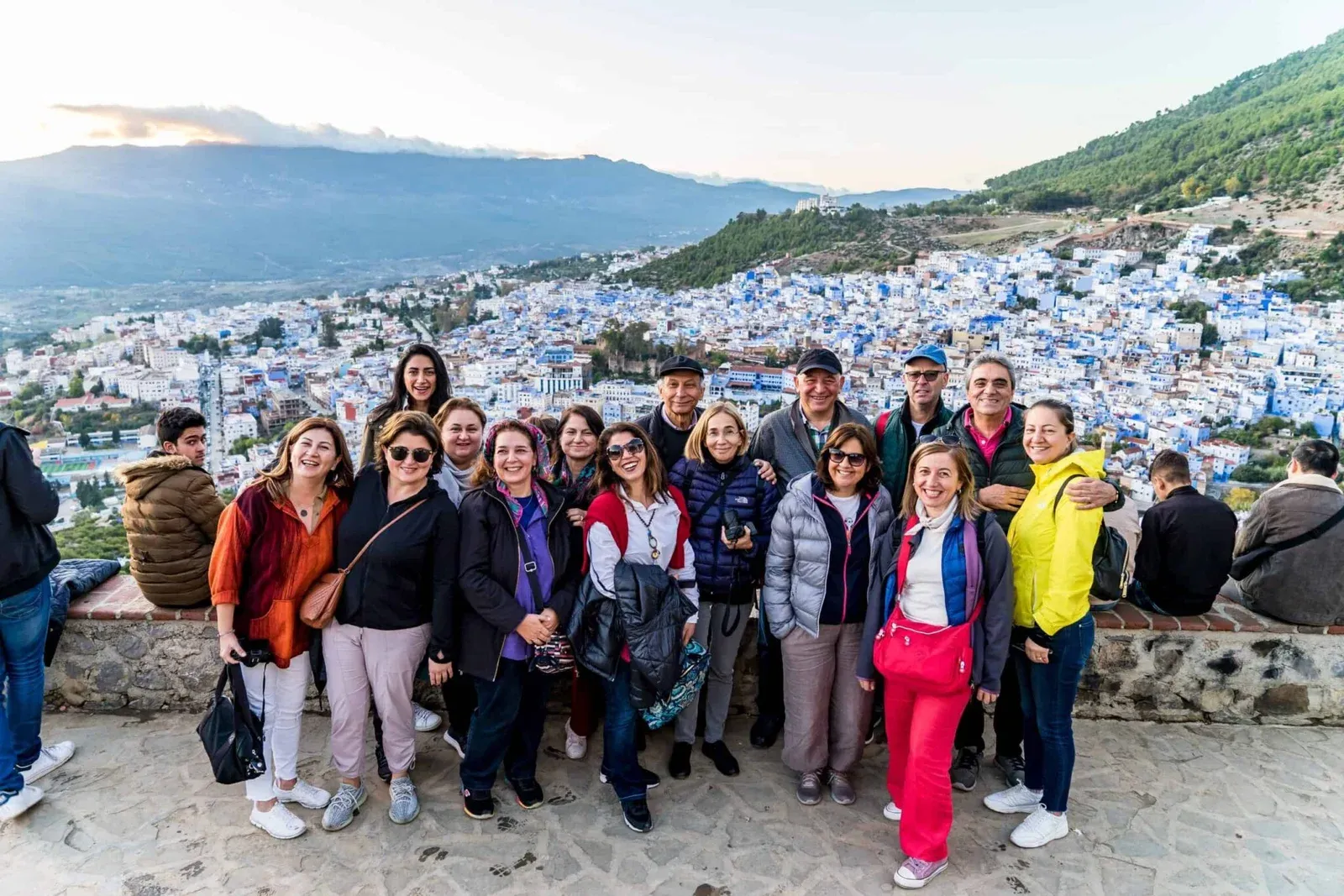
Discover the History of Jewish Communities in Morocco
Jewish communities have lived in Morocco for many centuries, with some historical accounts tracing their presence to ancient times. Their numbers increased during different periods, particularly following the arrival of Jewish families from the Iberian Peninsula after the expulsions of the late fifteenth century.
Over generations, Jewish communities developed their own religious, cultural, and commercial traditions while becoming part of Morocco’s wider society. They contributed to crafts, trade, music, education, and other areas of everyday life.
Although many Moroccan Jews later emigrated to Israel, France, Canada, and other countries during the twentieth century, their historical presence remains visible throughout Morocco. Historic buildings, cemeteries, family stories, and restored heritage sites continue to preserve this important legacy.
Jewish Heritage in Marrakech
<text weight=”medium”> <Entity value=”Marrakech” category=”city” disambig=”Morocco”/> </text> is one of the most popular destinations for travelers interested in Jewish history. The city’s Mellah, traditionally the Jewish quarter, offers a fascinating look at the history of Jewish life in southern Morocco.
Walking through its streets, visitors can discover traditional architecture, old marketplaces, and historic buildings that reflect the area’s multicultural past.
One of the most important landmarks is the Lazama Synagogue. This historic place of worship provides insight into the religious life of Marrakech’s Jewish community. Visitors may also explore the nearby Jewish cemetery, where generations of community members are remembered.
A guided walking tour can help travelers understand the historical importance of these sites and how Jewish residents contributed to the city’s commercial and cultural development.
Explore the Jewish Heritage of Fes
<text weight=”medium”><Entity value=”Fes” category=”city” disambig=”Morocco”/></text> is another essential destination for anyone planning Jewish tours in Morocco. Known for its historic medina and traditional craftsmanship, the city has a long Jewish history that remains an important part of its identity.
The Mellah of Fes is located near the Royal Palace and contains streets and buildings associated with the former Jewish community. Its distinctive architecture and historic atmosphere make it an interesting place to explore.
Visitors can also learn about the Ibn Danan Synagogue, one of the most significant surviving Jewish heritage sites in Morocco. The synagogue has undergone restoration and provides a glimpse into the religious and architectural traditions of Moroccan Jews.
Exploring Fes with a knowledgeable guide allows travelers to discover the connections between Jewish, Muslim, and other cultural influences that shaped the city over time.
Visit Essaouira and Its Jewish Heritage
<text weight=”medium”><Entity value=”Essaouira” category=”city” disambig=”Morocco”/></text> is especially famous for its coastal scenery, historic medina, and multicultural past. Once known as Mogador, the city became an important commercial center where Jewish merchants played a significant role in international trade.
The Jewish heritage of Essaouira can be explored through its historic Mellah, old synagogues, and Jewish cemetery. One particularly notable site is the Slat Lkahal Synagogue, which reflects the religious history of the local community.
The Bayt Dakira, also known as the House of Memory, is an important cultural institution dedicated to preserving and presenting the Jewish heritage of Essaouira. It offers visitors an opportunity to learn about the relationships between Jewish and Muslim communities through historical objects, photographs, and educational displays.
The combination of ocean views, traditional streets, and historic landmarks makes Essaouira a memorable stop on a heritage journey.
Visit Casablanca’s Jewish Cultural Landmarks
<text weight=”medium”><Entity value=”Casablanca” category=”city” disambig=”Morocco”/></text> is Morocco’s largest city and an important center of modern Jewish life and heritage. Its Jewish history is reflected in synagogues, cultural institutions, and historic neighborhoods.
The Museum of Moroccan Judaism is one of the most important places to visit. It presents the history, traditions, religious practices, and cultural contributions of Jewish communities throughout Morocco.
Visitors can discover traditional clothing, religious objects, photographs, and historical documents that help explain the development of Moroccan Jewish culture.
Casablanca is also home to several synagogues and community institutions. Travelers interested in contemporary Jewish life may find the city particularly meaningful.
Jewish Heritage in Rabat and Other Moroccan Cities
<text weight=”medium”><Entity value=”Rabat” category=”city” disambig=”Morocco”/></text>, Morocco’s capital, also has an important Jewish history. The city contains heritage sites and community landmarks that reflect the presence of Jewish residents over different periods.
Depending on the itinerary, travelers may also explore Jewish heritage locations in smaller cities and towns. Places such as Meknes and Tangier offer additional opportunities to understand the diversity of Jewish life across Morocco.
Each destination has its own historical background, making a multi-city tour especially interesting for visitors who want to explore the subject in greater depth.
What to Expect from Jewish Tours in Morocco
Jewish heritage tours can be arranged in different ways depending on visitors’ interests, available time, and preferred travel style.
A short tour may focus on one city, such as Marrakech or Casablanca. Longer itineraries can connect several destinations, allowing travelers to explore synagogues, cemeteries, historic quarters, museums, and cultural landmarks.
Many organized tours include:
-
Private or shared transportation between destinations.
-
Accommodation in selected hotels or traditional riads.
-
Guided visits to historic Jewish quarters.
-
Visits to synagogues and Jewish cemeteries where access is permitted.
-
Historical explanations from knowledgeable local guides.
-
Opportunities to discover Moroccan food and local traditions.
Travelers should confirm opening hours, photography rules, religious-site access, and any required permissions before visiting individual locations.
Best Time to Experience Jewish Tours in Morocco
Spring and autumn are generally excellent seasons for exploring Morocco’s historic cities. From March to May and September to November, temperatures are often comfortable for walking tours and sightseeing.
Summer can be very hot, especially in inland cities such as Marrakech and Fes. Travelers visiting during this season may prefer early morning sightseeing and comfortable transportation between destinations.
Winter is another option, although temperatures can become cold in the evenings. Coastal destinations such as Essaouira and Casablanca may have different weather conditions from the inland areas.
The best itinerary depends on the number of cities you want to visit and how much time you have available.
Tips for Planning Your Jewish Heritage Journey
Before booking a tour, consider which historical sites are most important to you. Some visitors are interested mainly in synagogues and cemeteries, while others want to explore museums, family history, and traditional Jewish neighborhoods.
A private guide with knowledge of Moroccan Jewish history can provide valuable context and help organize visits efficiently. It is also useful to check whether religious sites are open to visitors on your planned travel dates.
If you have family connections to Morocco, bringing old photographs, family names, or historical documents may make the experience even more meaningful. Local historians and heritage institutions may help you identify relevant locations, although research results will depend on the available records.
Conclusion
Jewish tours in Morocco provide a meaningful way to explore the country’s diverse history and discover the lasting contributions of its Jewish communities. From the historic Mellah of Marrakech and the Ibn Danan Synagogue in Fes to the cultural landmarks of Essaouira and Casablanca, every destination offers a different perspective on Moroccan Jewish heritage.
Whether you are interested in religious history, family roots, architecture, or cultural discovery, Morocco offers an enriching travel experience. With thoughtful planning and knowledgeable local guidance, a Jewish heritage journey can become an unforgettable opportunity to connect with the country’s past and appreciate its multicultural traditions.