

A Ngorongoro Crater safari is one of the most extraordinary wildlife experiences in Africa. Located in northern Tanzania, the Ngorongoro Crater is the world’s largest intact volcanic caldera and a UNESCO World Heritage Site. This breathtaking destination offers travelers a rare opportunity to witness dense wildlife populations within a unique and self-contained ecosystem. Whether you are a first-time safari-goer or a seasoned adventurer, exploring the crater promises unmatched beauty, biodiversity, and unforgettable encounters.
Understanding the Ngorongoro Crater
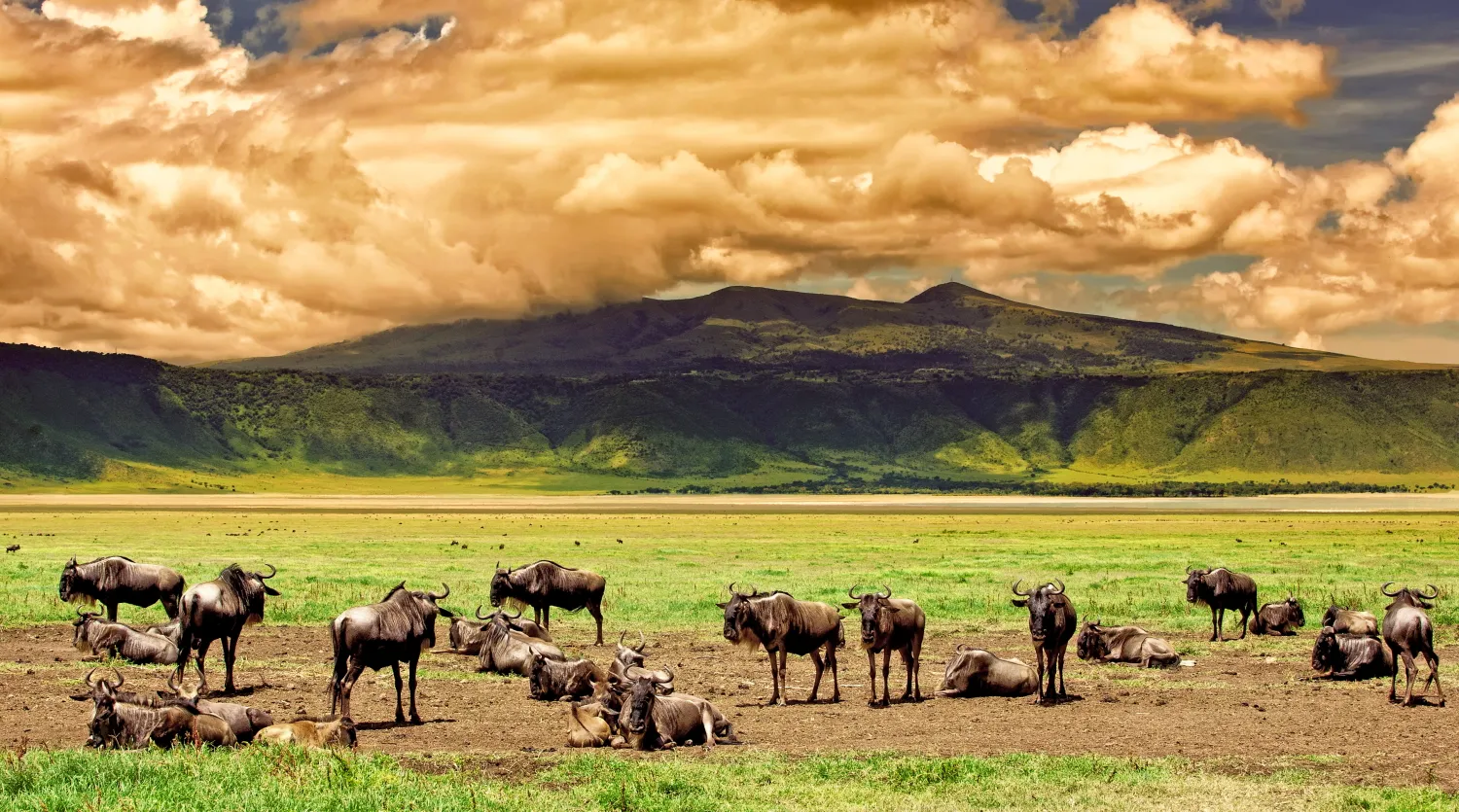
Formed over two million years ago after a massive volcanic eruption, the Ngorongoro Crater spans approximately 260 square kilometers. Its towering walls rise about 600 meters above the crater floor, creating a natural enclosure that supports an incredibly rich concentration of wildlife. Unlike other safari destinations where animals migrate over vast distances, many species in the crater remain year-round due to the constant availability of water and food.
The crater floor is a mosaic of ecosystems, including grasslands, swamps, forests, and a soda lake known as Lake Magadi. This diversity of habitats allows a wide variety of animals to thrive in close proximity, making game viewing both easy and rewarding.
Why Choose a Ngorongoro Crater Safari?
A safari in the Ngorongoro Crater stands out for several reasons. First, the density of wildlife is among the highest in Africa. Visitors have a strong chance of spotting the “Big Five” lion, elephant, buffalo, leopard, and rhinoceros within a single day.
Second, the crater’s compact size means less time spent driving between sightings and more time observing animals in their natural environment. This is particularly appealing for travelers with limited time who still want a comprehensive safari experience.
Additionally, the scenic beauty of the crater is unparalleled. From the rim, visitors are treated to panoramic views of the lush floor below, often shrouded in mist during early mornings. Descending into the crater feels like entering a hidden world untouched by time.
Wildlife Encounters in the Crater
The Ngorongoro Crater is home to over 25,000 animals, offering one of the most reliable wildlife viewing experiences in Africa. Large herds of wildebeest, zebras, and gazelles roam the plains, providing ample prey for predators such as lions and hyenas.
One of the crater’s most remarkable features is its population of endangered black rhinos, which are rarely seen elsewhere due to poaching pressures. The crater remains one of the best places in East Africa to observe these magnificent creatures in the wild.
Birdlife is equally impressive, with over 500 species recorded. Flamingos often gather at Lake Magadi, creating a striking pink hue against the blue waters. Other species include ostriches, secretary birds, and various raptors.
Types of Ngorongoro Crater Safari Experiences
Safari packages to the Ngorongoro Crater are designed to suit different travel styles and preferences.
Game Drives
The most popular way to explore the crater is through guided game drives in 4×4 vehicles. These drives typically begin early in the morning, maximizing wildlife activity and offering the best lighting for photography.
Luxury Safaris
Luxury packages include stays at high-end lodges located on the crater rim. These accommodations offer stunning views, fine dining, and personalized services, combining comfort with adventure.
Cultural Experiences
Many itineraries include visits to local Maasai villages. These experiences provide insight into traditional lifestyles, customs, and the harmonious relationship between local communities and wildlife.
Photographic Safaris
For photography enthusiasts, specialized safaris focus on capturing the crater’s unique landscapes and wildlife. Expert guides help position vehicles for optimal shots and lighting conditions.
Best Time for a Ngorongoro Crater Safari
One of the key advantages of the Ngorongoro Crater is its year-round accessibility. However, different seasons offer distinct experiences.
-
Dry Season (June to October): Ideal for wildlife viewing, as animals are easier to spot in shorter grass
-
Wet Season (November to May): Lush scenery, fewer crowds, and excellent birdwatching opportunities
-
Calving Season (January to February): A great time to witness newborn animals and increased predator activity
Because the crater maintains a stable ecosystem, wildlife sightings remain consistent regardless of the season.
What to Expect During Your Safari
A typical Ngorongoro Crater safari begins with a descent from the rim to the crater floor. The journey itself is an adventure, with winding roads offering spectacular views. Once on the floor, visitors can expect close encounters with wildlife, often just a few meters away.
Safaris usually include picnic lunches enjoyed at designated sites near hippo pools or scenic viewpoints. Professional guides provide detailed explanations about animal behavior, geology, and conservation efforts, enriching the overall experience.
Due to conservation regulations, time spent on the crater floor is typically limited to a full day visit. However, this is usually sufficient to experience the highlights.
Conservation and Sustainability
The Ngorongoro Conservation Area is a model for sustainable tourism. It balances wildlife preservation with the needs of local communities, particularly the Maasai people who live within the
Strict regulations help protect the environment, including limits on vehicle numbers and designated routes for game drives. By choosing responsible tour operators, travelers contribute to conservation efforts and support local livelihoods.
Tips for Planning Your Ngorongoro Crater Safari
-
Book Early: The crater is a popular destination, and accommodations fill up quickly
-
Choose the Right Guide: Experienced guides enhance your safari with expert knowledge
-
Pack Smart: Bring layered clothing, as temperatures can vary between the rim and the crater floor
-
Carry Binoculars and Cameras: Essential for capturing distant wildlife and scenic views
-
Respect Wildlife: Maintain safe distances and follow guide instructions at all times
Combining the Ngorongoro Crater with nearby destinations like the Serengeti or Tarangire National Park can create a more comprehensive safari itinerary.
Conclusion: Key Takeaways
A Ngorongoro Crater safari offers a rare blend of natural beauty, abundant wildlife, and cultural richness. As one of Africa’s most unique ecosystems, it provides an accessible yet deeply immersive safari experience.
Key Takeaways:
-
The Ngorongoro Crater is the world’s largest intact volcanic caldera and a UNESCO World Heritage Site
-
It offers one of the highest concentrations of wildlife in Africa, including the Big Five
-
Safaris are suitable year-round, with each season offering unique advantages
-
Visitors can enjoy diverse experiences, from game drives to cultural encounters
-
Conservation efforts ensure sustainable tourism and protection of wildlife and local communities
Choosing a Ngorongoro Crater safari means stepping into a natural sanctuary where wildlife thrives and landscapes inspire. It is not just a journey into one of the most remarkable ecosystems on Earth, leaving travelers with lasting memories and a deeper appreciation for the wild.